
Automatic starters bridge the gap‚ offering convenience while retaining the driver control inherent in manual transmissions. They enhance usability and safety.
What is an Automatic Starter?
An automatic starter‚ when integrated with a manual transmission‚ is a system designed to simplify the engine starting process. Traditionally‚ manual transmissions require the driver to fully depress the clutch pedal before engaging the starter. An automatic starter modifies this‚ often allowing the engine to start in neutral or with the clutch pedal only partially depressed.
This functionality relies on a sophisticated interplay between the vehicle’s electrical and mechanical systems‚ including the solenoid and the neutral safety switch. The solenoid uses electrical current to engage the starter motor‚ while the neutral safety switch prevents accidental starts when the transmission isn’t in a safe position. Ultimately‚ it’s about enhanced convenience and a smoother driving experience.
Why Use an Automatic Starter with a Manual Transmission?
Employing an automatic starter with a manual transmission offers several advantages. It significantly improves ease of use‚ particularly for drivers accustomed to automatic vehicles‚ reducing the learning curve. It also enhances safety by minimizing the risk of stalling‚ especially on inclines‚ and preventing unintended vehicle movement during starting.
Furthermore‚ automatic starters contribute to a more refined driving experience. Systems like start-stop technology‚ common in hybrid vehicles‚ rely on this functionality for seamless engine management. They also address potential issues with clutch wear over time‚ and can be particularly beneficial in performance vehicles demanding quick starts.
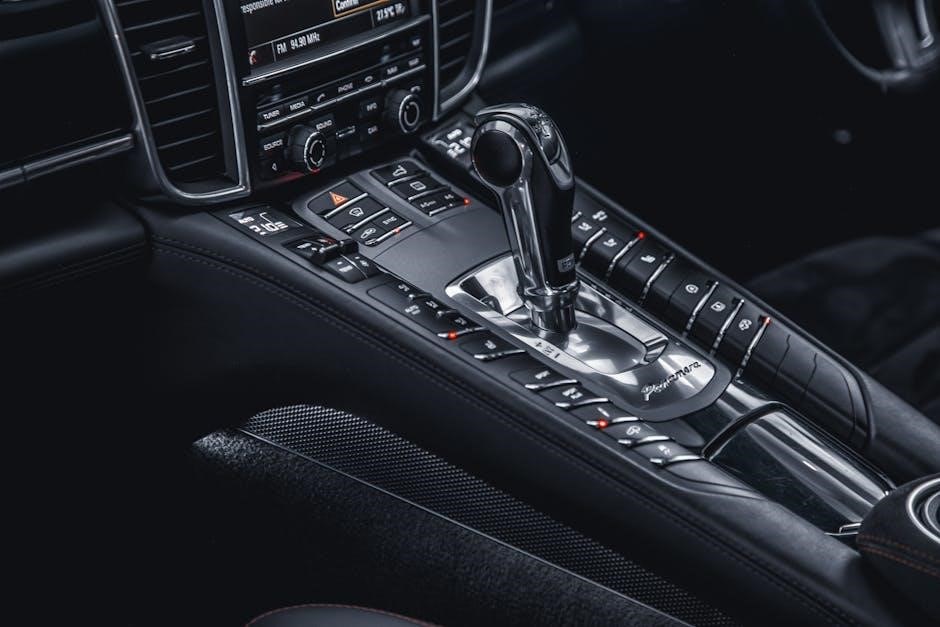
The Core Components
Essential parts include the starter motor‚ the solenoid engaging the pinion gear‚ and the manual transmission’s clutch system—all working in harmony for ignition.
The Starter Motor
The starter motor is a powerful electric motor responsible for initiating the engine’s combustion process. Inside‚ field coils generate a magnetic field‚ interacting with armature coils to produce rotational force. This force then turns the engine’s flywheel via a pinion gear.
Crucially‚ the starter motor doesn’t sustain engine operation; it only provides the initial crank. Once the engine is running‚ the starter disengages to prevent damage. The solenoid plays a vital role in this process‚ extending the pinion gear to mesh with the flywheel and then retracting it upon successful engine start. Its robust construction ensures reliable performance even under demanding conditions.
The Solenoid and its Role
The solenoid is a crucial electromagnetic switch within the starter system. It receives a signal from the ignition switch‚ activating a magnetic field. This field pulls a plunger‚ performing two key actions: engaging the starter motor’s pinion gear with the engine’s flywheel and simultaneously closing high-current contacts to deliver power to the starter motor itself.
Essentially‚ the solenoid acts as a remote-controlled heavy-duty switch. Once the engine starts‚ the solenoid releases‚ retracting the pinion gear and disconnecting the power supply. It uses electrical current to engage the drive pinion gear‚ ensuring a smooth and reliable starting process.
The Clutch System in Manual Transmissions
The clutch is fundamental to manual transmissions‚ acting as a link between the engine and the gearbox. Its primary function is to temporarily disengage the engine’s power from the transmission‚ allowing for smooth gear changes and preventing stalling when stopping. When the clutch pedal is depressed‚ it disconnects the engine‚ enabling the driver to select a different gear.
Releasing the pedal gradually re-engages the engine‚ transferring power to the wheels. This controlled engagement is vital for preventing jerky starts and maintaining vehicle control. The clutch system’s proper operation is essential for the automatic starter to function effectively within a manual transmission vehicle.
How Automatic Starters Function
Automatic starters streamline the process‚ initiating engine start when conditions are met – typically‚ the vehicle is in neutral‚ ensuring safe operation.
The Starting Sequence Explained
The starting sequence with an automatic starter in a manual transmission begins with the driver turning the ignition key. This sends a signal to the solenoid‚ which then engages the starter motor. Crucially‚ the neutral safety switch verifies the transmission is in neutral or park‚ preventing accidental starts in gear.
Once verified‚ the solenoid pushes the starter’s pinion gear into contact with the engine’s flywheel. Simultaneously‚ the starter motor spins‚ cranking the engine. As the engine begins to run‚ the solenoid disengages‚ retracting the pinion gear. This entire process is orchestrated to provide a seamless and safe starting experience‚ blending the control of a manual transmission with the convenience of automated starting.
Role of the Ignition System
The ignition system is fundamental to the automatic starter process in a manual transmission vehicle. When the key is turned‚ it doesn’t directly power the starter; instead‚ it activates a small circuit within the starter solenoid. This circuit draws a substantial current from the battery‚ energizing the solenoid’s electromagnetic coil.
This energized coil pulls a plunger‚ mechanically engaging the starter motor with the engine’s flywheel. Simultaneously‚ the ignition system ensures the engine receives the necessary spark to ignite the air-fuel mixture. A properly functioning ignition system is vital; without it‚ even a fully engaged starter won’t result in engine combustion‚ highlighting its critical role in the overall starting sequence.
The Neutral Safety Switch – A Critical Component
The neutral safety switch is a crucial safeguard in manual transmission vehicles equipped with automatic starters. Its primary function is to prevent accidental engine starts when the transmission isn’t in Park or Neutral. This switch interrupts the starter circuit‚ ensuring the engine only cranks when it’s safe to do so.
Located near the gear selector‚ it confirms the transmission’s position before allowing power to reach the starter solenoid. A faulty neutral safety switch can lead to starting issues or‚ conversely‚ allow starting in gear‚ posing a significant safety hazard. Regular inspection and replacement‚ when necessary‚ are vital for reliable and safe operation.
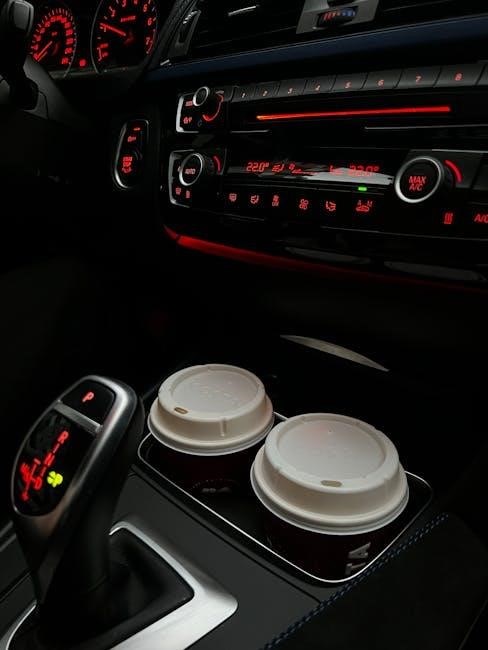
Advanced Systems & Technologies
Start-stop systems in hybrids and inclination angle signals refine engine starting‚ optimizing efficiency and preventing unwanted starts on slopes.
Start-Stop Systems in Hybrid Vehicles
Hybrid vehicle control systems frequently incorporate sophisticated start-stop technology for the internal combustion engine. This feature automatically shuts down the engine when the vehicle is stationary – such as at traffic lights – and seamlessly restarts it when needed. This process relies heavily on a robust automatic starter system‚ capable of numerous start cycles without significant wear.
The system operates effectively in both hybrid and normal vehicle operation modes‚ contributing to fuel savings and reduced emissions. The automatic starter must integrate seamlessly with the hybrid powertrain’s control algorithms‚ ensuring smooth and reliable operation. Precise coordination is crucial for a comfortable driving experience‚ avoiding any noticeable delay during restarts.
Inclination Angle Signal and Engine Start
Modern automatic starter systems in manual transmission vehicles often utilize an inclination angle signal to prevent unintended starts on steep hills. This signal‚ derived from sensors‚ determines the vehicle’s gradient. If the angle exceeds a predefined threshold‚ the engine start is inhibited‚ enhancing safety.
The system ensures the engine only starts when the inclination angle signal indicates a relatively level surface or a manageable slope. This prevents the vehicle from rolling unexpectedly during the starting process. This feature is particularly important for vehicles equipped with manual transmissions‚ where the driver has more direct control over the clutch and gear selection‚ potentially increasing the risk of rollaway.

Maintenance and Troubleshooting
Automatic starters in manual transmissions require routine checks of transmission fluid (in Park) and solenoid functionality; Addressing issues promptly ensures reliable operation.
Transmission Fluid Checks and Changes (P Lever Position)
Maintaining proper transmission fluid levels is crucial for the longevity of both the transmission and the automatic starter system in a manual transmission vehicle. Fluid checks should be performed regularly‚ ideally with the engine running and the gear selector firmly in the ‘P’ (Park) position.
This ensures accurate readings‚ as the transmission is fully engaged and the fluid level stabilizes. Recommended fluid change intervals vary depending on driving conditions and vehicle manufacturer specifications‚ but generally‚ a change every 30‚000 to 60‚000 miles is advised. Using the correct type of transmission fluid is paramount; consult your vehicle’s manual for the appropriate specification. Neglecting fluid maintenance can lead to decreased performance‚ increased wear‚ and potential failure of the starter and transmission components.
Common Starter Problems
Even with an automatic starter integrated into a manual transmission system‚ issues can arise. A frequent problem is a slow or no-crank condition‚ often stemming from a weak battery or corroded battery terminals. A clicking sound without engine turnover usually indicates a faulty solenoid‚ preventing full engagement.
Worn starter motor brushes are another common culprit‚ leading to intermittent starting failures. Damaged wiring or a failing ignition switch can also disrupt the electrical circuit. In some cases‚ a misadjusted or damaged neutral safety switch can prevent the starter from engaging altogether. Regular inspection and prompt repair are essential to avoid being stranded.
Diagnosing Issues with the Solenoid
When suspecting a faulty solenoid in an automatic starter/manual transmission setup‚ initial checks involve verifying power and ground at the solenoid terminals. A multimeter can confirm voltage during the start attempt. A clicking sound‚ but no engagement‚ often points to a weak solenoid pull.
Visually inspect the solenoid for corrosion or damage. Testing the solenoid’s continuity can reveal internal winding failures. If the solenoid receives power but fails to engage‚ replacement is usually necessary. Remember the solenoid uses electrical current to engage the drive pinion gear‚ so proper function is critical for starting.
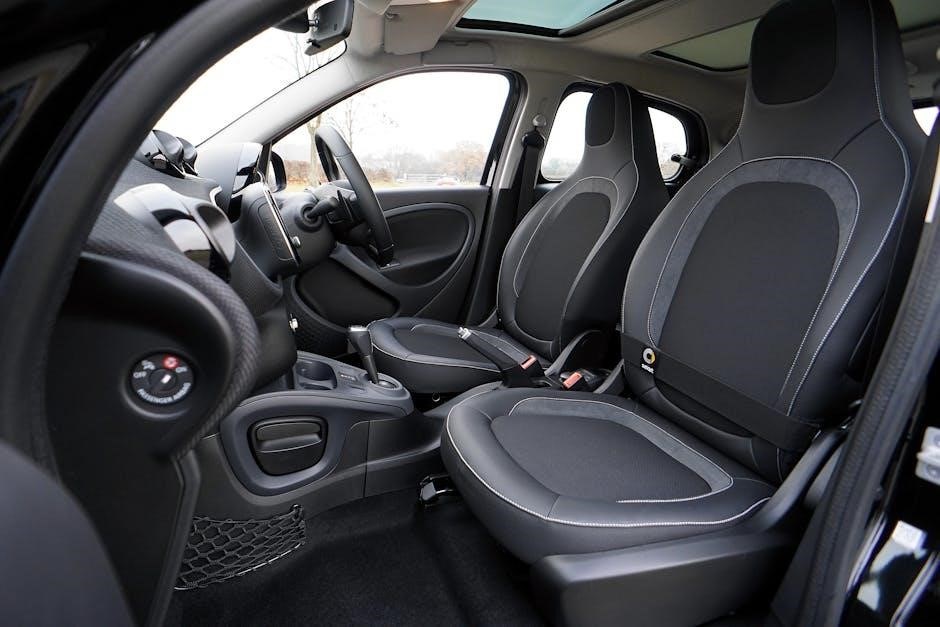
Understanding the Manual Transmission Itself
Manual transmissions rely on a driver-operated clutch to disengage engine power‚ enabling gear changes and ultimately‚ controlled torque delivery to the wheels.
The H-Pattern Shifting Explained
The H-pattern‚ iconic to manual transmissions‚ visually represents the gear layout. Moving the shift knob through this pattern selects different gear ratios‚ optimizing engine power for varying speeds and driving conditions. First and second gears provide high torque for acceleration‚ while higher gears—third‚ fourth‚ fifth‚ and sometimes sixth—are geared for efficient cruising.
Neutral resides centrally‚ disengaging the engine from the wheels. Reverse is typically located with a specific mechanism to prevent accidental engagement. Understanding this pattern is crucial for smooth and controlled driving‚ allowing drivers to efficiently manage engine output and vehicle speed. It’s a direct connection between driver input and mechanical function.
How Manual Transmissions Transmit Torque
Manual transmissions utilize a series of gears to efficiently transmit engine torque to the driving wheels. The engine’s rotational force initially engages the clutch‚ connecting it to the input shaft of the transmission. Different gear ratios are selected via the H-pattern shifter‚ altering the speed and torque delivered to the output shaft.
Lower gears provide higher torque for acceleration‚ while higher gears offer lower torque but greater speed. This process allows the engine to operate within its optimal power band regardless of vehicle speed. Ultimately‚ the output shaft connects to the driveshaft‚ transferring power to the wheels‚ propelling the vehicle forward.
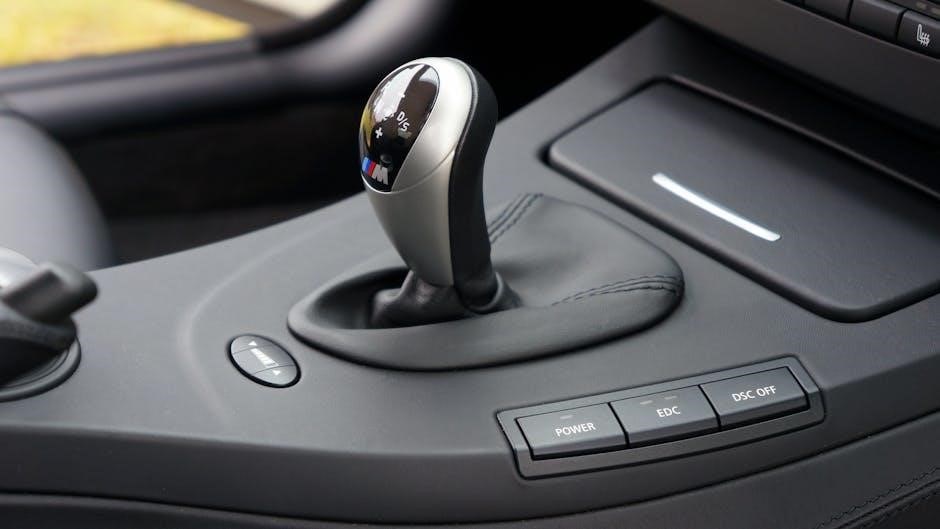
Comparing Automatic vs. Manual Transmissions
Manual transmissions offer driver engagement and efficiency‚ while automatic transmissions prioritize convenience. The choice impacts driving experience and fuel economy significantly.
Advantages of Manual Transmissions
Manual transmissions traditionally provide a more direct connection between the driver and the vehicle‚ fostering a greater sense of control and engagement. This direct link often translates to improved fuel efficiency‚ as drivers can optimize gear selection for specific driving conditions.
Furthermore‚ manual transmissions are often less expensive to purchase and maintain than their automatic counterparts‚ due to their simpler mechanical design. The absence of a torque converter‚ common in automatics‚ eliminates a potential source of power loss and maintenance concerns.
For enthusiasts‚ the ability to choose gears precisely offers a more rewarding driving experience‚ particularly on winding roads or during performance driving; The H-pattern shifting‚ while requiring practice‚ becomes intuitive and satisfying.
Disadvantages of Manual Transmissions
Manual transmissions demand more driver involvement‚ requiring coordination between the clutch‚ gear selector‚ and accelerator. This can be fatiguing‚ especially in stop-and-go traffic‚ and presents a steeper learning curve for novice drivers. The potential for stalling is also a common concern.
Compared to automatics‚ manuals generally offer less convenience. The need to manually shift gears can be distracting‚ and may not be ideal for all driving situations. Wheel slippage can occur if not managed correctly during acceleration‚ unlike the hydraulic torque converter in automatics.
While offering control‚ this also places greater responsibility on the driver‚ potentially increasing the risk of driver error and wear on components.
The Future of Transmission Technology
The evolution of transmissions is leaning towards increased efficiency and automation‚ even within the realm of manual systems. Expect to see more sophisticated automatic starters integrated with advanced driver-assistance systems (ADAS). Continuously Variable Transmissions (CVTs) and dual-clutch transmissions (DCTs) are blurring the lines between traditional automatics and manuals.
Hybrid and electric vehicles are driving innovation‚ with start-stop systems becoming commonplace. These systems optimize fuel efficiency by automatically shutting off the engine when idle. Further development will likely focus on predictive shifting and AI-powered transmission control for optimal performance.
Ultimately‚ the future may see a convergence of technologies‚ offering drivers the best of both worlds – control and convenience.

Safety Considerations
Automatic starters require robust safety measures‚ like neutral safety switches‚ to prevent accidental starts and ensure driver and passenger protection during operation.
Preventing Accidental Starts
Preventing accidental starts is paramount when integrating automatic starters into manual transmission vehicles. The neutral safety switch is a critical component‚ designed to only allow the starter to engage when the transmission is definitively in neutral or park. This interlock system physically and electrically prevents unintended vehicle movement.
Furthermore‚ modern systems often incorporate multiple layers of redundancy. These can include sensors monitoring the clutch pedal position and even engine speed. Sophisticated algorithms analyze these inputs‚ ensuring the engine won’t crank unless all safety conditions are met. Regular inspection and maintenance of these components are vital for continued safe operation‚ minimizing the risk of unexpected engagement.
Emergency Starter Disengagement
In emergency situations requiring immediate starter disengagement in a manual transmission vehicle equipped with an automatic starter‚ understanding the fail-safes is crucial. While the system is designed for reliability‚ a malfunctioning solenoid or control module could cause continuous cranking.
The primary method for immediate disengagement is often a direct interruption of power to the starter motor. This can be achieved by disconnecting the negative battery terminal‚ though this disables all electrical systems. Some vehicles feature a dedicated starter relay that can be manually disabled. Knowing the vehicle’s specific emergency procedures‚ outlined in the owner’s manual‚ is essential for swift and safe intervention.
Specific Applications
Automatic starters are increasingly common in both performance vehicles and everyday cars‚ enhancing driving experiences and offering improved convenience for all drivers.
Automatic Starters in Performance Vehicles
Automatic starters in performance vehicles offer a crucial advantage during quick launches and competitive driving. They eliminate the need for precise clutch and throttle coordination‚ allowing drivers to focus entirely on maximizing acceleration. This is particularly beneficial in racing scenarios where milliseconds matter.
The system ensures consistent and rapid starts‚ minimizing wheelspin and optimizing power delivery. Furthermore‚ advanced systems can integrate with launch control features‚ providing even greater control and repeatability. These starters contribute to faster lap times and improved overall performance on the track. They also enhance the driving experience for enthusiasts seeking a more engaging and responsive vehicle.
Automatic Starters in Everyday Cars
Automatic starters in everyday manual transmission cars primarily enhance convenience and ease of use‚ especially for drivers less familiar with manual shifting. They simplify the starting process‚ reducing the risk of stalling or rolling backward on inclines. This feature is particularly valuable in stop-and-go traffic or hilly terrain.
The system contributes to a smoother and more relaxed driving experience‚ minimizing driver fatigue. While not focused on peak performance like in racing applications‚ it improves overall drivability and accessibility. It also adds a layer of safety by preventing accidental starts if the vehicle isn’t in neutral or parked correctly‚ making it ideal for daily commutes.
The Role of Electrical Systems
Electrical systems provide the necessary power for the automatic starter‚ demanding robust batteries and reliable wiring to engage the solenoid effectively.
Battery Requirements for Automatic Starters
Automatic starters in manual transmission vehicles place significant demands on the vehicle’s battery. Unlike systems with solely a traditional starter‚ the added functionality – particularly in start-stop systems found in hybrid vehicles – requires a battery capable of handling frequent‚ high-current draw.
Standard lead-acid batteries may suffice‚ but advanced batteries like Absorbed Glass Mat (AGM) or lithium-ion are increasingly common. These offer superior cycling capabilities and can withstand the repeated charge/discharge cycles inherent in automatic start-stop operation. The battery must maintain a consistent voltage during cranking to ensure reliable engine starting. A weak or failing battery will struggle to provide sufficient power‚ leading to starting issues and potential system failures. Regular battery testing and maintenance are crucial for optimal performance.
Wiring Diagrams and Common Faults
Automatic starter systems in manual transmission cars involve complex wiring‚ connecting the battery‚ ignition switch‚ solenoid‚ and engine control unit (ECU). Common faults include corroded terminals‚ damaged wiring harnesses‚ and failed connections. A typical wiring diagram reveals the power supply path and control signals.
Frequently‚ issues arise within the solenoid circuit‚ preventing proper engagement. Intermittent starting problems often point to loose connections or a failing ignition switch. Diagnosing these faults requires a multimeter to check voltage drops and continuity. Always consult the vehicle’s specific wiring diagram for accurate troubleshooting. Ignoring electrical faults can lead to further damage and potentially dangerous situations;
Padlet and Visual Learning Resources
Padlet boards offer dynamic spaces for organizing transmission knowledge‚ utilizing KWL charts and visual aids to enhance understanding of automatic starters.
Utilizing KWL Charts for Understanding
KWL charts are incredibly effective tools for dissecting the complexities of automatic starters within manual transmissions. The ‘Know’ section captures pre-existing knowledge about transmissions and starting systems‚ establishing a baseline. ‘Wonder’ prompts inquisitive thinking – what questions arise regarding the interaction between the automatic starter‚ clutch‚ and manual gearbox?
This fosters active learning. Finally‚ the ‘Learned’ section documents new insights gained through research and exploration. Applying this to our topic‚ students can chart their understanding of the solenoid’s role‚ the neutral safety switch‚ and how the system prevents accidental starts. Visualizing this progression clarifies the entire process‚ making it more accessible and memorable. Padlet’s collaborative nature further enhances this learning experience.
Padlet for Organizing Information on Transmissions
Padlet serves as a dynamic‚ collaborative hub for structuring knowledge about automatic starters and manual transmissions. Users can create dedicated boards‚ categorizing information into sections like ‘Components‚’ ‘Functionality‚’ ‘Troubleshooting‚’ and ‘Safety.’ Sticky notes allow for easy addition of facts‚ diagrams‚ and links to relevant resources.
This visual organization surpasses traditional note-taking. Students can collectively build a comprehensive understanding‚ sharing insights on the clutch system‚ ignition sequences‚ and the role of the neutral safety switch. Padlet’s multimedia capabilities enable embedding images of wiring diagrams and starter motors‚ enhancing comprehension. It’s a powerful tool for both individual study and group projects‚ fostering a deeper grasp of the subject matter.