
Article Plan: A Black Woman’s History of the United States (PDF Focus)
This article analyzes a groundbreaking PDF resource, co-authored by esteemed historians, centering 400 years of African American women’s impactful contributions․
It explores intersecting oppressions, utilizing primary sources like slave ads and court cases—specifically Agatha Moore’s—to reconstruct forgotten narratives․
The PDF’s significance lies in its revisioning of American history, challenging dominant narratives and offering an empowering, inclusive perspective for research and education․
Historically marginalized, the experiences of Black women have been systematically erased or misrepresented within mainstream historical accounts․ This omission isn’t merely an oversight; it fundamentally distorts our understanding of the United States․ A dedicated focus on Black women’s history reveals their instrumental roles – not as peripheral figures, but as central architects of social, political, and economic change․
The PDF resource under examination offers an empowering, intersectional lens, demonstrating how Black women have always been vital in shaping the nation․ Their stories are crucial for a complete and accurate portrayal of American history, challenging dominant narratives and fostering a more inclusive national identity․
II․ The Need for a Dedicated Historical Focus
Traditional historical textbooks often perpetuate a skewed narrative, resulting in the historical erasure and misrepresentation of Black women’s contributions․ This necessitates a dedicated focus to rectify these imbalances and provide a more comprehensive understanding of the American past․ The PDF resource directly addresses this gap, centering the stories often relegated to footnotes or omitted entirely․
A focused study reveals Black women’s resilience, activism, and leadership across centuries․ Their experiences, shaped by intersecting oppressions, offer unique insights into the complexities of American history and demand scholarly attention․
III․ Overview of “A Black Woman’s History of the United States” (The PDF Source)
This PDF, part of the “Revisioning American History” series, presents a groundbreaking and intersectional history, centering African American women’s experiences over 400 years․ It demonstrates how they have consistently been instrumental in shaping the nation’s identity․ The work utilizes maps and firsthand sources, like slave advertisements, to reconstruct enslavement narratives․
It’s an empowering resource, available through the Internet Archive, designed for academic use, teaching, and private study, offering a vital corrective to traditional historical accounts․
IV․ Authorship and Scholarly Approach
The PDF is a co-authored work by award-winning historians, bringing significant expertise to the project․ Their approach employs an intersectional framework, analyzing experiences through the lens of overlapping oppressions—race, gender, and class—particularly for Black women in leadership․
This methodology allows for a nuanced understanding of historical events, reconstructing narratives from primary sources like court cases (Agatha Moore) and slave ads, shifting epistemological weight to reveal hidden histories․
A․ Co-Authorship and Expertise
“A Black Woman’s History of the United States” benefits from the combined expertise of multiple, award-winning historians․ This collaborative effort ensures a robust and nuanced examination of the subject matter, drawing upon diverse scholarly perspectives․ Their credentials demonstrate a commitment to rigorous historical research and a dedication to centering marginalized voices․
The authors skillfully utilize primary sources, demonstrating a deep understanding of archival research and historical methodology, contributing to the PDF’s scholarly weight․
B․ Intersectional Framework
The PDF employs a crucial intersectional framework, recognizing that Black women’s experiences are shaped by the complex interplay of race, gender, and class․ This approach moves beyond single-axis analyses, revealing the unique challenges and resilience of Black women throughout U․S․ history․
Analyzing biographical case studies through this lens illuminates how intersecting oppressions impacted leadership roles and community building, offering a more complete historical understanding․
V․ Historical Eras Covered in the Work
The PDF comprehensively spans four major historical eras, beginning with the Colonial Period & Slavery (1619-1865), detailing the brutal realities and resistance during enslavement․ It then progresses through Reconstruction (1865-1877), examining its promises and failures for Black women․
Further coverage includes Jim Crow & the early Civil Rights Movement (1877-1954) and the Civil Rights Movement & Beyond (1954-Present), showcasing ongoing struggles and triumphs․
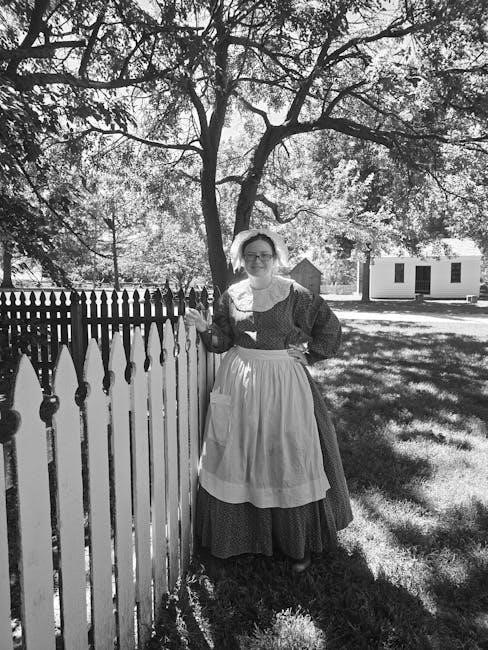
A․ The Colonial Period & Slavery (1619-1865)
This era, foundational to the PDF’s narrative, meticulously examines the experiences of Black women subjected to the horrors of slavery from 1619-1865․ The work utilizes slave advertisements as crucial primary sources, reconstructing enslavement narratives and revealing the topography of escape attempts․
It highlights the resilience and agency of enslaved women, despite systemic oppression, and establishes the groundwork for understanding subsequent struggles for liberation and equality․
B․ Reconstruction Era (1865-1877)
The PDF’s coverage of Reconstruction (1865-1877) analyzes Black women’s roles amidst the promise and betrayal of this period․ It explores their efforts to build communities, establish institutions, and exercise newly gained freedoms following emancipation․
Despite facing continued racism and violence, Black women actively participated in political and social life, laying the foundation for future activism and demanding full citizenship rights․
C․ Jim Crow and the Early Civil Rights Movement (1877-1954)
The PDF meticulously details Black women’s resilience during the Jim Crow era (1877-1954), highlighting their resistance to systemic oppression and segregation․ It examines their crucial roles in establishing mutual aid societies, schools, and churches—vital community anchors․
Furthermore, the work illuminates their early activism, laying the groundwork for the burgeoning Civil Rights Movement, challenging racial injustice through organizing and advocacy despite immense danger․
D․ The Civil Rights Movement & Beyond (1954-Present)
The PDF showcases Black women’s pivotal, yet often overlooked, leadership within the Civil Rights Movement (1954-Present)․ It details their organizing efforts, grassroots activism, and contributions to landmark legal battles for equality and desegregation․
Beyond 1965, the resource explores their continued fight for social justice, encompassing issues of economic empowerment, reproductive rights, and intersectional challenges, demonstrating enduring resilience and advocacy․
VI․ Key Themes Explored in the PDF
Central to the PDF is the theme of resistance to slavery, highlighting Black women’s agency and activism in challenging oppressive systems․ It also emphasizes their crucial role in community building, fostering networks of support and mutual aid throughout history․
Furthermore, the work deeply examines the intersectionality of race, gender, and class, revealing how these forces uniquely shaped Black women’s experiences and struggles for liberation․
A․ Resistance to Slavery & Activism
The PDF meticulously details the myriad ways Black women resisted enslavement, moving beyond passive victimhood to showcase active agency․ This includes utilizing slave ads as a source to reconstruct narratives of escape and defiance, revealing strategies for seeking freedom․
It highlights their participation in abolitionist movements and their unwavering commitment to challenging the brutal realities of the institution, demonstrating profound activism․
B․ The Role of Black Women in Community Building
The PDF emphasizes the central, yet often overlooked, role Black women played in fostering and sustaining communities amidst systemic oppression․ It showcases their contributions to mutual aid societies, religious institutions, and educational initiatives, demonstrating resilience․
These efforts were vital for survival and empowerment, creating spaces of support and resistance․ The work reveals how Black women actively built networks and provided essential services within their communities․
C․ Intersectionality of Race, Gender, and Class
The PDF employs an intersectional framework, crucial for understanding the unique challenges faced by Black women․ It demonstrates how race, gender, and class intertwined to create compounded disadvantages, shaping their experiences throughout history․
This approach moves beyond single-axis analyses, revealing the complexities of oppression and resilience․ The resource analyzes biographical moments through this lens, highlighting intersecting oppressions in leadership roles․
VII․ Utilizing Primary Sources: Slave Ads & Court Cases
The PDF powerfully utilizes primary sources, notably slave advertisements and legal records, to reconstruct the lives of enslaved Black women․ It shifts the focus, employing maps and firsthand accounts to build a “topography” of enslavement and escape, as seen in Jane’s story․
Furthermore, cases like Agatha Moore’s are examined, rendering visible Black women even when not central to the historical narrative, offering crucial insights into their agency and struggles․
A․ Reconstructing Enslavement Narratives from Ads
The PDF demonstrates a unique methodological approach: reconstructing enslavement narratives directly from slave advertisements․ Rather than simply viewing these ads as records of ownership, the authors utilize them as sources revealing details about enslaved women’s lives, skills, and experiences․
This innovative technique allows for the creation of a “topography” of enslavement, mapping escape routes and revealing the brutal realities faced by those seeking freedom, offering a nuanced understanding․
B․ Visibility of Black Women in Legal Records (Agatha Moore Example)

The PDF highlights the importance of examining legal records – often overlooked – to uncover the presence and agency of Black women during enslavement․ Specifically, the case of Agatha Moore, involved in a court case concerning an adulterous slaveholder, is analyzed․
Fuentes skillfully renders Moore visible within the historical record, even though she wasn’t the primary subject of the legal proceedings, demonstrating a commitment to uncovering marginalized voices․
VIII․ Black Women in Leadership & Management
This section of the PDF delves into the experiences of Black women who navigated leadership and management roles, despite facing intersecting oppressions of race, gender, and class․ It moves beyond simply documenting their presence, and instead analyzes the unique challenges they encountered․
Specific biographical moments are carefully selected and examined through this intersectional lens, providing nuanced insights into their strategies for success and resilience within systemic barriers․
A․ Analyzing Experiences Through Intersecting Oppressions
The PDF uniquely frames the analysis of Black women in leadership by employing an intersectional framework․ This approach recognizes that their experiences aren’t solely defined by race or gender, but by the complex interplay of both, alongside class and other factors․
It moves beyond singular axes of oppression, revealing how these forces compounded to create distinct challenges and necessitate innovative strategies for navigating professional landscapes․
B․ Biographical Case Studies
The PDF utilizes specific biographical moments to illuminate the broader themes of intersecting oppressions faced by Black women in positions of leadership and management․ These carefully selected cases serve as microcosms, revealing the nuanced realities of navigating systemic barriers․
While specific individuals aren’t explicitly named in the provided text, the methodology suggests a deep dive into individual lives to demonstrate the practical implications of historical forces․
IX․ Representation in Historical Textbooks
The PDF implicitly addresses the historical erasure and misrepresentation of Black women within traditional U․S․ history textbooks․ It highlights the critical need for an inclusive curriculum that accurately reflects their instrumental roles and contributions across four centuries․
By centering Black women’s stories, the work actively challenges dominant historical narratives and advocates for a more comprehensive and truthful understanding of American history․ This resource is valuable for research, teaching, and private study․

A․ Historical Erasure & Misrepresentation
The PDF reveals a pattern of systemic historical erasure concerning Black women’s experiences, often absent or marginalized in mainstream historical accounts․ Traditional textbooks frequently overlook their activism, leadership, and resilience throughout slavery, Reconstruction, and the Civil Rights Movement․
This misrepresentation perpetuates incomplete and biased understandings of American history, denying Black women agency and minimizing their profound impact․ The resource aims to rectify these omissions, offering a corrective lens․
B․ The Importance of Inclusive Curriculum
The PDF underscores the critical need for inclusive curricula that accurately represent the contributions of Black women in U․S․ history․ Integrating these narratives fosters a more comprehensive and nuanced understanding of the nation’s past, challenging dominant perspectives․
Such an approach empowers students with a fuller historical context, promoting critical thinking and dismantling harmful stereotypes․ The resource is explicitly intended for academic use, teaching, and private study, advocating for broader accessibility․
X․ The Tulsa Race Massacre & Black Wall Street
The PDF resource contextualizes the 1921 Tulsa Race Massacre and the destruction of Black Wall Street, a thriving example of African American economic prosperity․ It highlights the historical context of this tragedy, America’s worst racial riot, and its devastating impact on the community․
Crucially, the work examines the experiences of Black women during the massacre, revealing their resilience and the specific challenges they faced amidst systemic violence and loss․
A․ Historical Context & Destruction of Black Prosperity
The PDF meticulously details the historical conditions enabling the Tulsa Race Massacre, emphasizing the racial tensions and economic envy surrounding Black Wall Street’s success․ It portrays Greenwood, Tulsa’s Black district, as a self-sufficient community—a beacon of prosperity—that directly challenged the existing racial hierarchy․
The resource underscores how this economic independence fueled white resentment, ultimately leading to the deliberate and violent destruction of homes, businesses, and the community’s collective wealth․
B․ Black Women’s Experiences During the Massacre

The PDF highlights that Black women experienced the Tulsa Race Massacre with unique vulnerabilities, facing sexual assault alongside the general devastation․ It reveals their roles weren’t solely as victims, but also as resilient figures actively attempting to protect families and rebuild amidst chaos․
The resource emphasizes the often-overlooked trauma and the subsequent challenges Black women faced in seeking justice and reclaiming their lives after the massacre’s destruction․
XI․ The PDF as a Tool for Research & Education
This PDF serves as a valuable resource for academic study, offering a nuanced perspective on American history often absent from traditional textbooks․ Its accessibility via the Internet Archive broadens its reach, enabling private study and wider dissemination of knowledge․
The document’s detailed analysis and primary source integration make it ideal for researchers, educators, and students seeking a deeper understanding of Black women’s contributions․
A․ Academic Use & Private Study
The PDF is explicitly permitted for research, teaching, and individual exploration, fostering a deeper engagement with Black women’s historical experiences․ Its comprehensive scope and detailed analysis provide valuable material for scholarly papers, classroom discussions, and independent learning․
Researchers benefit from the inclusion of primary sources, while students gain a nuanced understanding beyond conventional historical narratives, promoting critical thinking and informed perspectives․
B․ Accessibility & the Internet Archive
The PDF’s availability through the Internet Archive dramatically expands its reach, ensuring broader access to this vital historical resource․ This digital preservation safeguards the work against loss and facilitates its use by scholars and students globally․
The Internet Archive’s commitment to archiving government websites, news, and historical documents underscores the importance of preserving diverse perspectives, making this PDF readily accessible for all․
XII․ Empowering Narratives & Shaping National Identity
This PDF powerfully demonstrates how Black women have been instrumental figures throughout US history, consistently shaping the nation’s identity despite systemic erasure․ By centering their stories, the work challenges dominant historical narratives and offers a more complete understanding of the American experience․
The resource’s empowering nature fosters a sense of agency and pride, while simultaneously prompting critical reflection on the ongoing need for inclusive historical representation․

A․ Black Women as Instrumental Figures in US History
The PDF meticulously reveals Black women’s consistent, yet often overlooked, contributions across four centuries of American history․ It highlights their roles not merely as victims of oppression, but as active agents of change, resistance, and community building․
Through detailed analysis, the work demonstrates their instrumental nature in shaping cultural, political, and economic landscapes, fundamentally altering the nation’s trajectory․
B․ Challenging Dominant Historical Narratives
This PDF actively dismantles traditional, Eurocentric historical accounts that have historically marginalized or erased the experiences of Black women․ It offers a crucial counter-narrative, centering their voices and perspectives to provide a more complete and accurate understanding of the American past․
By reclaiming agency and visibility, the work challenges ingrained biases and compels a re-evaluation of established historical interpretations, fostering a more inclusive and truthful national story․

XIII․ The “Revisioning American History” Series
This PDF is a vital component of the award-winning “Revisioning American History” series, a scholarly project dedicated to re-examining and expanding the scope of traditional historical narratives․ It represents a groundbreaking effort to incorporate marginalized voices and perspectives, particularly those of African American women․
The series as a whole aims to challenge established interpretations and foster a more inclusive and nuanced understanding of the American experience, with this work being a cornerstone of that mission․
A․ Context within a Broader Scholarly Project
The PDF emerges from a dedicated scholarly endeavor, the “Revisioning American History” series, committed to reshaping historical understanding through inclusivity․ It’s not an isolated study, but a deliberate contribution to a larger project challenging conventional narratives and centering marginalized experiences․
This context underscores the work’s rigor and intent—to systematically revise and broaden the historical record, specifically amplifying the voices and stories of Black women across centuries․
B․ Groundbreaking Nature of the Work
This PDF represents a significant departure from traditional historical approaches, boldly centering Black women’s experiences as instrumental in shaping U․S․ history—not merely as peripheral figures․ Its intersectional framework, analyzing race, gender, and class, offers a nuanced understanding of their struggles and triumphs․

The work’s innovative use of primary sources, like slave ads and court records, reconstructs lost narratives and renders visible those historically erased, making it truly groundbreaking․
XIV․ The Concept of “Black Wall Street” and its Significance

The PDF highlights the historical context of “Black Wall Street” in Tulsa, Oklahoma, a thriving Black economic hub tragically destroyed in the 1921 massacre․ It underscores the prosperity achieved by African Americans despite systemic racism, demonstrating resilience and entrepreneurial spirit․
Crucially, the work examines Black women’s experiences during this horrific event, revealing their roles in community building and their devastating losses, adding a vital layer to this often-overlooked history․
XV․ Systemic Challenges Faced by African Americans
The PDF meticulously details the 400-year history of systemic challenges confronting African Americans, from the horrors of slavery and Jim Crow laws to ongoing racial inequalities․ It emphasizes how these obstacles disproportionately impacted Black women, compounding the effects of both racism and sexism․
The resource illustrates the enduring legacy of these challenges, connecting historical oppression to contemporary issues and highlighting the need for continued advocacy and systemic change․
XVI․ 400 Years of African American History: A Broad Overview
The PDF provides a comprehensive overview spanning four centuries of African American history, uniquely centering the experiences of Black women throughout each era․ It traces their resilience from the initial arrival of enslaved Africans in 1619 through Reconstruction, the Civil Rights Movement, and into the present day․
This broad historical scope reveals the consistent contributions and struggles of Black women, demonstrating their instrumental role in shaping the nation’s identity and progress․
XVII․ The Importance of Group Survival Strategies
The PDF highlights the critical role of collective survival strategies employed by African Americans, particularly Black women, throughout history․ These strategies encompassed mutual aid networks, community building, and resistance to oppression, fostering resilience in the face of systemic challenges․
The work demonstrates how Black women were central to maintaining cultural traditions and ensuring the continuity of families and communities despite the horrors of slavery and discrimination․
XVIII․ The Role of Black Women in the Civil Rights Movement
The PDF meticulously details the often-overlooked, yet pivotal, contributions of Black women to the Civil Rights Movement․ It reveals their leadership in organizing protests, advocating for voting rights, and challenging segregation, often while facing both racial and gender discrimination․
The resource emphasizes that Black women weren’t simply participants, but instrumental figures shaping the movement’s strategies and sustaining its momentum, embodying resilience and unwavering dedication․
XIX․ The Impact of the PDF on Historical Scholarship
This PDF represents a significant shift in historical scholarship, offering a much-needed intersectional lens to understand the American experience․ It challenges traditional narratives by centering Black women’s stories, prompting a re-evaluation of established historical interpretations․
The work’s use of primary sources—slave ads and court records—provides innovative methodologies for reconstructing marginalized histories, inspiring further research and fostering a more inclusive academic landscape․
XX․ Accessing and Utilizing the PDF Resource
The PDF is readily accessible through the Internet Archive, facilitating widespread academic use, private study, and educational purposes․ Its availability promotes democratic access to vital historical information, empowering researchers and students alike․
Researchers can utilize the resource for in-depth analysis, while educators can integrate it into curricula, fostering a more comprehensive understanding of American history․ The PDF’s digital format allows for easy searching and dissemination of knowledge․
XXI․ Future Directions in Black Women’s Historical Research
Further research should expand upon the PDF’s foundation, delving deeper into unexplored archives and utilizing innovative methodologies to uncover more hidden narratives․ A crucial direction involves broadening the scope of primary source analysis, examining diverse records beyond slave ads and court cases․
Continued investigation into Black women’s leadership and activism, alongside intersectional analyses, will refine our understanding of their enduring legacy․ Digital humanities offer exciting possibilities for mapping and visualizing these histories․
XXII․ Conclusion: The Enduring Legacy of Black Women in the United States

The PDF powerfully demonstrates that Black women are not peripheral figures, but instrumental architects of US history, consistently shaping the nation despite systemic oppression․ Their stories, once marginalized, demand central placement in historical narratives and curricula․
This resource empowers a more complete and accurate understanding of the American past, challenging dominant perspectives and fostering a more inclusive national identity․ Continued engagement with this scholarship is vital for future generations․