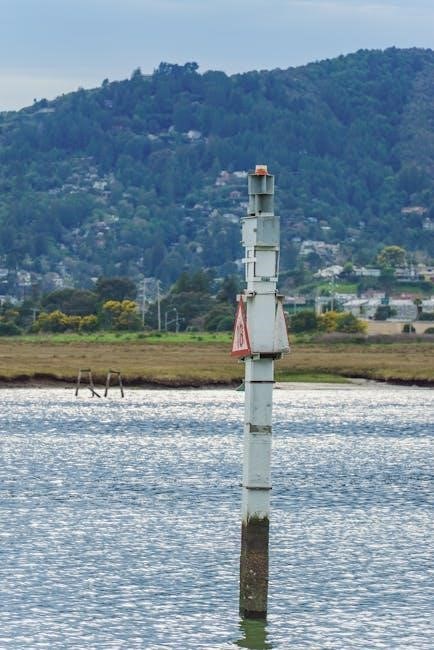
Trailer guide posts are crucial components for safe boat retrieval, offering visible alignment during loading, especially in challenging conditions.
They aid in centering the boat, preventing damage, and simplifying the launching process, as noted by various boating forum discussions.
Many boaters find guide posts invaluable, particularly when dealing with wind or needing consistent boat placement on the trailer.
Combined with appropriate trailer depth, they significantly improve the retrieval experience.
What are Trailer Guide Posts?
Trailer guide posts are vertical structures mounted on either side of a boat trailer, designed to assist in aligning the boat during the retrieval process. Typically constructed from materials like PVC, aluminum, or galvanized steel, they act as visual cues, guiding the boat’s hull straight onto the trailer bed.
These posts often feature carpeted surfaces to protect the boat’s gel coat from scratches and abrasions, as highlighted in forum discussions. They aren’t primarily weight-bearing supports, but rather directional aids, ensuring a smoother and more controlled loading experience, especially in windy or low-visibility conditions.
The Purpose of Guide Posts in Boat Trailers
The primary purpose of trailer guide posts is to simplify boat retrieval, minimizing the risk of off-center loading and potential hull damage. They provide a clear visual path for the boat, particularly useful in situations with limited visibility or strong winds, as emphasized by boater experiences.
Guide posts also contribute to consistent boat positioning on the trailer, streamlining the loading process. By reducing the need for precise maneuvering, they make launching and retrieving a boat significantly easier, especially for solo operators, and help maintain proper trailer depth for optimal retrieval.

Types of Trailer Guide Posts
Trailer guide posts come in various materials like PVC and aluminum, with options for carpeted or non-carpeted surfaces, each offering unique advantages
regarding durability, cost, and boat protection.
PVC Guide Posts: Advantages and Disadvantages
PVC guide posts are a popular, cost-effective choice for boat trailers, offering sufficient guidance for many boaters. However, they aren’t without drawbacks. A significant disadvantage is PVC’s susceptibility to damage from prolonged UV exposure, necessitating protective covers.
Furthermore, while affordable, PVC lacks the robustness of aluminum. Boat forum discussions highlight potential issues with gel coat abrasion, emphasizing the need for post covers to prevent damage to the boat’s finish. Despite these concerns, PVC remains a viable option for occasional use.
Aluminum Guide Posts: Durability and Cost
Aluminum guide posts represent a more durable, albeit pricier, alternative to PVC. Their inherent resistance to corrosion and robust construction ensure longevity, even with frequent trailer use. While the initial investment is higher, aluminum’s resilience minimizes the need for frequent replacements.
Boating forums suggest CE Smith offers reliable aluminum options. However, cost remains a key consideration. Despite the higher price point, many boaters find the increased durability and reduced maintenance justify the expense, particularly for valuable boats.
Carpeted vs. Non-Carpeted Guide Posts
Carpeted guide posts offer a protective layer, preventing abrasive contact between the boat hull and the post material, crucial for gelcoat finishes. Forum discussions highlight the importance of post covers, especially with PVC, but carpeting provides built-in protection.
However, carpet can trap dirt and debris, potentially causing scratches if not regularly cleaned. Non-carpeted posts, while potentially riskier for the hull, are easier to maintain. Some designs, like those with a tapered beginning, allow thru-hull fittings to glide smoothly.
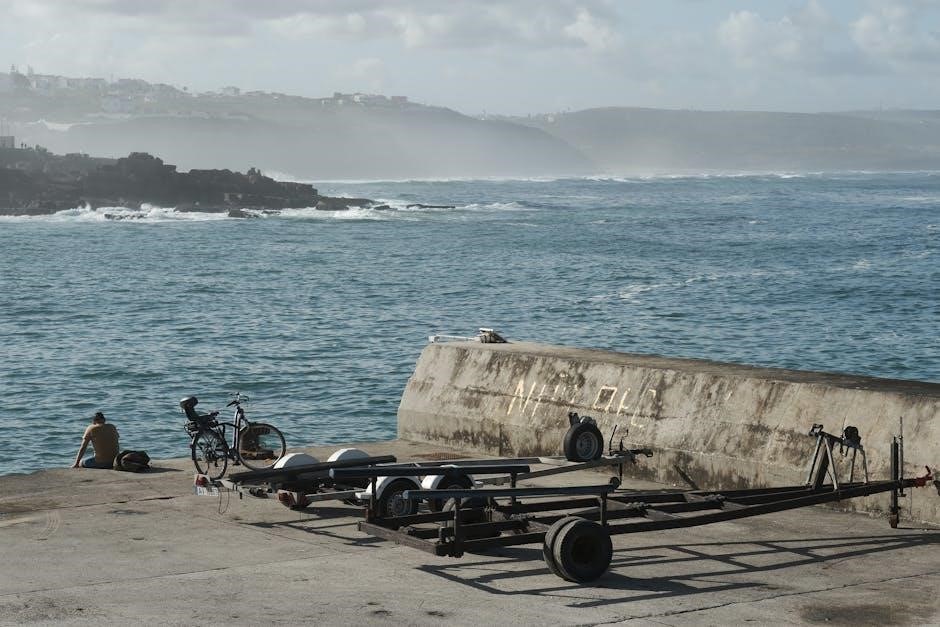
Benefits of Using Trailer Guide Posts
Trailer guide posts enhance boat alignment, simplify launching in varied conditions, and minimize hull damage during retrieval, offering a more controlled and secure boating experience.
Improved Boat Alignment During Retrieval
Trailer guide posts significantly improve boat alignment when retrieving from the water, acting as visual cues to center the vessel on the trailer. This is particularly beneficial in windy conditions, where a boat can easily drift off course.
Without guide posts, boaters often struggle to maintain a straight trajectory, increasing the risk of misalignment and potential damage. The posts provide a defined channel, guiding the boat smoothly onto the trailer, ensuring consistent positioning each time. Forum discussions highlight how snug posts keep the boat in the same spot.
Easier Launching in Various Water Conditions
Trailer guide posts contribute to easier boat launching, even in less-than-ideal water conditions. While primarily for retrieval, they offer a reference point during the initial backward movement off the trailer.
This is especially helpful on ramps with varying angles or in situations with limited visibility. Though side bunks are favored by some for support, posts remain visible, unlike bunks which can be obscured. Properly installed guide posts, combined with optimized trailer depth, streamline the launching process, regardless of ramp steepness.
Reduced Risk of Damage to Boat Hulls
Trailer guide posts significantly reduce the risk of damage to boat hulls during loading and unloading. By providing a clear channel, they minimize the chance of scraping or impacting the boat against the trailer frame or ramp.
However, proper installation is key; incorrectly positioned posts can cause damage. Using post covers, particularly with PVC posts, protects gelcoat finishes from abrasion. Careful alignment and potentially combining posts with side bunks further safeguard against hull damage.

Guide Posts vs. Side Bunks: A Comparison
Guide posts offer visual alignment, while side bunks provide more comprehensive support. Some prefer bunks for secure boat positioning, while others value the visibility of posts for easier centering.
Side Bunks: Advantages for Boat Support
Side bunks excel at providing substantial support along the boat’s hull, distributing weight evenly and minimizing stress points. This is particularly beneficial for longer retrieval distances or when navigating uneven ramps.
Forum discussions highlight that side bunks can keep the boat consistently aligned, even without guide posts, offering a secure fit. They are especially effective for boats with hull shapes that don’t readily center themselves. However, their effectiveness can diminish on steeper ramps, potentially becoming less visible during retrieval.
Ultimately, side bunks offer a robust and reliable method for boat support, ensuring stability during transport and simplifying the loading process for some boaters.
Guide Posts and Side Bunks: A Combined Approach
Combining guide posts and side bunks offers a synergistic solution, leveraging the strengths of both systems. Guide posts provide initial visual alignment during retrieval, while side bunks offer continuous support and centering once the boat is engaged.
This approach mitigates the drawbacks of relying solely on either system. It addresses the potential for off-centering with just posts and the visibility issues of bunks on steeper ramps. Many boaters advocate for this integrated setup, achieving optimal control and protection.
Ultimately, this hybrid system delivers a secure and streamlined boat loading experience, enhancing both ease of use and hull protection.
Which System is Best for Your Boat?
The ideal system—guide posts, side bunks, or a combination—depends on your boat’s hull shape and your typical launching conditions. Aluminum boats with through-hull fittings may glide well with carpeted guide posts, but can easily become off-center without them.
Fiberglass hulls benefit from post covers to prevent scratching. For frequent use, a combined approach offers the best of both worlds: initial guidance from posts and continuous support from bunks. Consider ramp angles and water depth too!
Ultimately, assess your needs.
Installation of Trailer Guide Posts
Proper installation involves selecting the correct height and angle for your boat, securely attaching posts to the trailer frame, and ensuring precise alignment for optimal boat centering during retrieval.
Choosing the Right Height and Angle
Determining the ideal height and angle of your trailer guide posts is paramount for successful boat retrieval. The posts should be tall enough to guide the boat onto the trailer without contacting the hull excessively, yet not so high they become ineffective.
A slight inward angle is generally recommended, creating a funnel effect that encourages the boat to self-center. Consider your boat’s hull shape; a more aggressive angle might be needed for wider boats. Proper adjustment minimizes the risk of damage and ensures smooth loading, especially in less-than-ideal conditions.
Securing Guide Posts to the Trailer Frame
Robustly securing guide posts to the trailer frame is critical for their functionality and longevity. Utilize heavy-duty bolts, washers, and lock nuts to prevent loosening during transport. Reinforce the mounting points with backing plates if necessary, particularly on older or weaker frames.
Ensure the posts are firmly attached and don’t exhibit any wobble. Regularly inspect the hardware for corrosion or damage, and tighten as needed. A secure attachment prevents posts from detaching during retrieval, safeguarding both your boat and trailer.
Ensuring Proper Alignment and Stability
Precise alignment of guide posts is paramount for effective boat centering. They should run parallel to the trailer frame and be positioned to gently guide the boat’s hull without causing pressure points. Stability is equally important; posts must remain rigid during retrieval, resisting bending or shifting.
Use a level to verify vertical alignment and measure distances to ensure parallelism. Properly aligned and stable posts minimize the risk of hull damage and facilitate smooth, controlled loading, even in windy or challenging water conditions.
Maintenance and Care of Guide Posts
Regular cleaning prevents buildup, while protecting PVC posts from UV damage extends their lifespan. Post covers are essential to avoid gelcoat abrasion, ensuring long-term functionality.
Regular Cleaning to Prevent Buildup
Consistent cleaning is paramount for maintaining optimal trailer guide post performance. Over time, algae, grime, and road debris accumulate on the posts’ surfaces, hindering their guiding ability and potentially damaging your boat’s finish.
A simple wash with mild soap and water after each use is highly recommended. For stubborn buildup, a soft brush can be employed, but avoid abrasive cleaners that could scratch or degrade the post material, especially PVC; Thorough rinsing ensures no soapy residue remains, preventing further contamination.
Regular attention to cleanliness not only preserves the posts’ functionality but also extends their overall lifespan, contributing to a smoother and safer boat retrieval process.
Protecting PVC Posts from UV Damage
Prolonged sun exposure poses a significant threat to PVC trailer guide posts, causing them to become brittle, discolored, and prone to cracking. Ultraviolet (UV) radiation degrades the plastic over time, diminishing their structural integrity and effectiveness.
Investing in guide post covers is a proactive measure to mitigate UV damage. These covers shield the PVC from direct sunlight, extending their lifespan considerably. Alternatively, storing the trailer in a covered location when not in use offers excellent protection.
Regular application of a UV protectant spray specifically designed for plastics can also help preserve the posts’ condition, ensuring reliable performance for years to come.
Replacing Worn or Damaged Posts
Regular inspection of trailer guide posts is vital for identifying wear and tear. Cracks, significant fading, or looseness indicate the need for replacement to maintain safe boat retrieval. Ignoring damage compromises alignment and increases the risk of hull damage.
Replacing posts is a straightforward process typically involving unbolting the old ones and securing new ones in their place. Ensure the new posts match the original dimensions and are securely fastened to the trailer frame.
Consider upgrading to more durable materials like aluminum during replacement for long-term reliability and reduced maintenance.
Common Issues with Trailer Guide Posts
Frequent problems include boats drifting off-center, hull damage from improper installation, and posts becoming loose. These issues highlight the need for careful setup and maintenance.
Boat Getting Off Center Despite Guide Posts
Despite utilizing guide posts, some boaters experience difficulty keeping their vessel centered during retrieval. This often stems from the trailer’s overall setup, or insufficient snugness of the posts themselves.
Forum discussions suggest that relying solely on guide posts can be problematic, making it easier for the boat to wander, especially in windy conditions. A combined approach, incorporating side bunks alongside guide posts, can significantly improve alignment and prevent off-centering, offering a more secure retrieval process.
Damage to Boat Hulls from Incorrectly Installed Posts
Improperly installed trailer guide posts can unfortunately lead to damage to a boat’s hull. A common concern is the interaction between PVC posts and gelcoat finishes, which can cause scuffing or abrasion.
Using guide post covers is strongly recommended to mitigate this risk. Additionally, posts that aren’t properly aligned or are positioned at an incorrect angle can create pressure points, potentially causing gelcoat cracks or more serious structural damage during the loading process.
Posts Becoming Loose or Detached
A significant issue with trailer guide posts is the potential for them to become loose or even completely detach from the trailer frame. This can occur due to corrosion, repeated stress from loading, or inadequate initial installation.
Loose posts render the guides ineffective and can actively contribute to misalignment during retrieval. Detached posts become a hazard, potentially causing damage to the boat or injury during the loading process. Regular inspection and tightening of mounting hardware are crucial preventative measures.
Guide Post Accessories
Enhance functionality with accessories like protective covers, preventing gel coat damage from PVC posts. LED lights improve visibility, and adjustable posts offer a customized fit for various boats.
Guide Post Covers: Protecting Your Boat’s Finish
Guide post covers are essential accessories, particularly when utilizing PVC posts, as PVC and gel coat finishes are often incompatible. Direct contact can lead to unsightly scratches and damage during the loading and unloading process.
These covers, typically made from soft, durable materials, create a protective barrier, safeguarding your boat’s hull. They are relatively inexpensive and easy to install, offering significant peace of mind. Investing in covers demonstrates a commitment to preserving your boat’s aesthetic appeal and resale value, preventing costly repairs down the line.
LED Guide Post Lights: Enhanced Visibility
LED guide post lights dramatically improve visibility during low-light conditions, such as dusk, dawn, or nighttime launches. This enhancement is crucial for accurately aligning your boat with the trailer, minimizing the risk of misaligned loading and potential hull damage.
These lights make the guide posts readily apparent, even in murky water or poor weather. They offer a significant safety benefit, simplifying the retrieval process and reducing stress. Installation is typically straightforward, providing a cost-effective upgrade for any boat trailer setup.
Adjustable Guide Posts: Customizing the Fit
Adjustable guide posts offer a versatile solution for boaters with varying hull shapes and trailer configurations. These posts allow for fine-tuning of the alignment, ensuring a snug and secure fit for your specific vessel. This customization is particularly beneficial for those who frequently transport different boats.
The ability to modify height and angle optimizes the retrieval process, accommodating diverse ramp angles and water depths. This adaptability minimizes the chance of off-center loading and potential damage, providing a tailored solution for optimal boat transport.
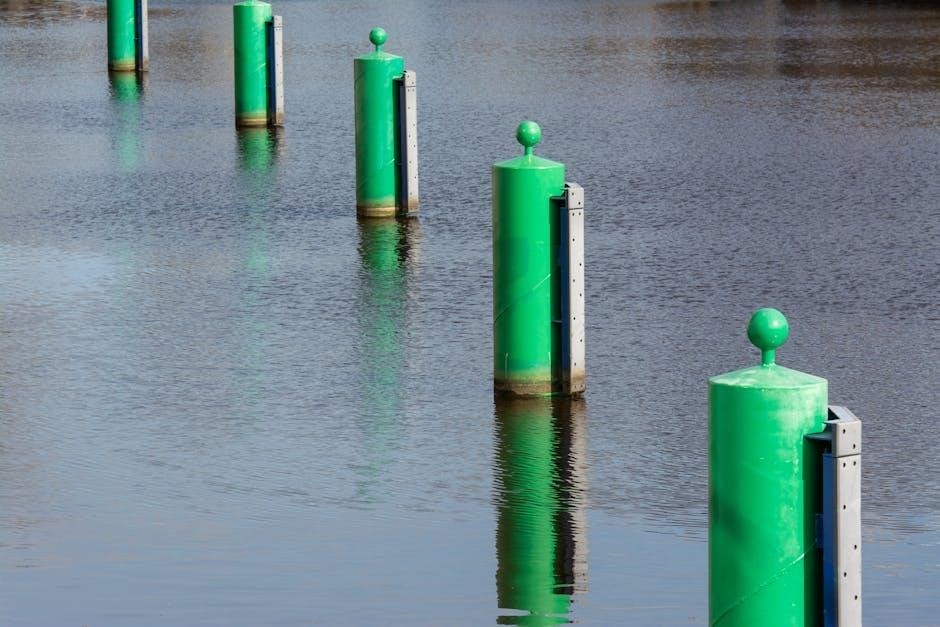
Materials Used in Guide Post Construction
Guide posts commonly utilize galvanized steel for strength and corrosion resistance, while stainless steel offers premium durability.
PVC is also frequent, often paired with carpet to protect boat finishes during loading and retrieval.
Galvanized Steel: Strength and Corrosion Resistance
Galvanized steel stands as a popular choice for trailer guide post construction due to its robust strength and excellent resistance to corrosion. The galvanization process coats the steel with a protective zinc layer, shielding it from rust and environmental damage, particularly crucial in marine environments.
This material provides a solid foundation for guide posts, ensuring they can withstand the stresses of repeated boat loading and unloading. While offering significant durability, it’s important to note that galvanized steel may eventually require maintenance to preserve its protective coating over extended periods.
Stainless Steel: Premium Durability
Stainless steel represents a premium option for trailer guide post construction, offering unparalleled durability and corrosion resistance. Unlike galvanized steel, stainless steel inherently resists rust and degradation, even in harsh saltwater conditions, minimizing long-term maintenance needs.
While representing a higher initial investment, stainless steel guide posts provide exceptional longevity and a polished aesthetic. This material is ideal for boaters seeking a robust, long-lasting solution that requires minimal upkeep, ensuring years of reliable performance and protection for their vessel.
The Role of Carpet in Guide Post Functionality
Carpet covering on trailer guide posts plays a vital role in protecting a boat’s finish from scratches and abrasions during loading and unloading. It creates a softer contact point, preventing gelcoat damage, a concern frequently discussed by boaters.
Furthermore, carpet can aid in guiding the boat, providing gentle friction. However, it’s crucial to ensure thru-hull fittings don’t snag, as noted in forum discussions. Regular inspection and replacement of worn carpet are essential to maintain its protective and functional benefits.

Considerations for Different Boat Types
Boat type impacts guide post needs; aluminum boats benefit from careful alignment, while fiberglass requires scratch protection.
Pontoon boats may need customized post placement for optimal support and retrieval.
Guide Posts for Aluminum Boats
Aluminum boats often require precise guidance during trailer loading due to their hull shape and potential for damage. Guide posts are particularly beneficial, ensuring proper centering and preventing scrapes against the trailer frame.
Carpeted guide posts are highly recommended for aluminum hulls, minimizing friction and protecting the finish. Careful attention to post height and angle is crucial to avoid bending or denting the aluminum. Some boaters suggest that the taper at the beginning of the guide and carpet covering it makes thru hull fittings glide over with no issues.
However, it’s important to note that relying solely on guide posts can lead to off-center loading, so consider supplemental support systems if needed.
Guide Posts for Fiberglass Boats
Fiberglass boats benefit significantly from trailer guide posts, but require extra consideration to prevent gelcoat damage. PVC guide posts, while common, can cause scratches; therefore, guide post covers are essential for protection.
Many boaters emphasize the importance of avoiding direct contact between PVC and gelcoat, as noted in forum discussions. Properly aligned and carpeted posts offer a smoother, safer retrieval process. Ensuring the posts are free of debris is also vital to prevent abrasion.
Visible guide posts are advantageous, especially on deeper ramps, aiding in accurate alignment.
Guide Posts for Pontoon Boats
Pontoon boats, due to their unique shape and high sides, often require robust trailer guide posts for successful loading. Standard posts may not provide sufficient contact points, increasing the risk of misalignment.
Extended or adjustable guide posts are frequently recommended to accommodate the width and profile of pontoons. Carpeted posts are particularly beneficial, offering a softer contact surface and minimizing potential damage to the pontoon’s aluminum siding.
Maintaining proper trailer depth is crucial, as pontoon boats are sensitive to angle during retrieval.
Depth and Guide Posts: A Critical Relationship
Trailer depth significantly impacts guide post effectiveness; shallower depths work best with guide posts, aiding retrieval, while deeper depths can hinder alignment.
Optimizing depth ensures the boat smoothly tracks into the guides, preventing off-center loading and simplifying the boating experience.
Optimizing Trailer Depth for Easy Retrieval
Achieving the ideal trailer depth is paramount when utilizing guide posts for boat retrieval. A shallower depth generally complements guide posts, allowing the boat to track more easily between them, especially in windy conditions or when visibility is reduced.
Conversely, excessive depth can diminish the guide posts’ effectiveness, making it harder to align the boat correctly. Experimentation is key; adjust the trailer’s position until the boat consistently centers itself during loading. Remember, a well-optimized depth, paired with properly installed guide posts, dramatically simplifies the retrieval process and minimizes the risk of damage.
The Impact of Water Depth on Guide Post Effectiveness
Water depth significantly influences how effectively trailer guide posts function during boat retrieval. Deeper water can render posts less useful, as the boat has more freedom to move laterally before contacting them. This is particularly true for boats without substantial keel contact.
Shallower water, however, encourages earlier engagement with the guide posts, promoting better alignment. Some boaters have experienced issues with bunk guides in deeper water, highlighting the visibility advantage of posts. Adjusting launch depth based on conditions is crucial for optimal performance.
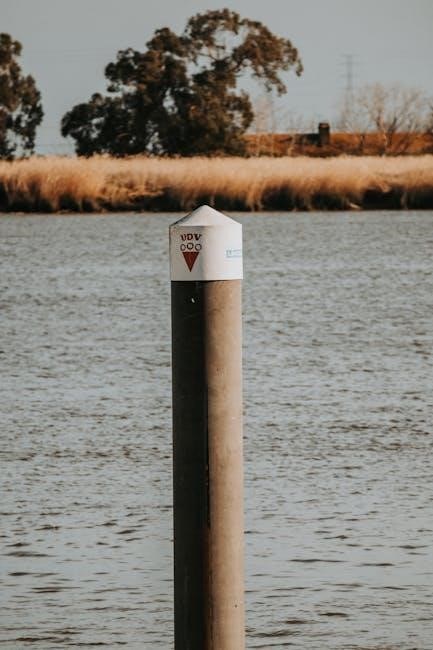
Cost of Trailer Guide Posts
Trailer guide post costs vary widely, depending on material and style. Expect to pay between $50 and $200+ for a set, with professional installation adding to the expense.
Price Range for Different Materials and Styles
PVC guide posts are generally the most affordable, ranging from $30 to $80 for a pair, but lack the durability of metal options. Aluminum guide posts, offering a balance of cost and strength, typically fall between $60 and $150.
Premium galvanized or stainless steel posts can exceed $150, sometimes reaching $250 or more, depending on features like integrated LED lights or adjustable designs. Carpeted posts may add $10-$30 to the price. DIY installation saves on labor, while professional fitting can add $50-$100+.
DIY vs. Professional Installation Costs
DIY installation of trailer guide posts is relatively straightforward for those with basic mechanical skills, primarily incurring material costs – typically $30 to $250+, depending on the chosen post type. However, improper alignment can lead to boat damage, negating any savings.
Professional installation, while adding $50 to $100+ in labor, ensures correct height, angle, and secure attachment to the trailer frame. This minimizes risks and guarantees optimal functionality, offering peace of mind and potentially preventing costly repairs down the line.

Where to Buy Trailer Guide Posts
Trailer guide posts are readily available from online retailers like Amazon and specialized marine supply stores. Local marine stores offer expert advice and immediate access.
CE Smith is a frequently recommended brand, easily sourced through various vendors, providing quality options for boat trailer upgrades.
Online Retailers
Online retailers provide a vast selection of trailer guide posts, offering convenience and competitive pricing. Platforms like Amazon, eBay, and specialized marine supply websites carry numerous brands and styles, including CE Smith and Shorelandr.
Shopping online allows for easy comparison of features, materials (PVC, aluminum, galvanized steel), and customer reviews. Many retailers offer free shipping on qualifying orders, further enhancing the value. However, carefully verify dimensions and compatibility with your specific trailer before purchasing. Consider return policies for a hassle-free experience.
Local Marine Supply Stores
Local marine supply stores offer a personalized shopping experience for trailer guide posts, allowing customers to physically inspect products and receive expert advice. These stores often stock popular brands and can assist with selecting the appropriate posts for your boat and trailer.
Benefits include immediate availability, avoiding shipping costs, and the opportunity to discuss installation with knowledgeable staff. While prices might be slightly higher than online, the convenience and support can be invaluable, especially for first-time buyers.