Bosch 300 Washer Manual: A Comprehensive Guide
Welcome! This manual provides essential guidance for your Bosch 300 washer, covering installation, operation, maintenance, and safety precautions for optimal performance․
Welcome to Your New Washer
Congratulations on selecting a Bosch washer to meet your laundry needs! We’re confident you’ll appreciate the superior performance and reliability engineered into every Bosch appliance․ This washer is designed for efficient and effective cleaning, offering a range of cycles and features to handle various fabric types and soil levels․
Before using your new washer, please take the time to carefully read this manual․ It contains important information regarding installation, safety precautions, operation, and maintenance․ Familiarizing yourself with these guidelines will ensure optimal performance and longevity of your appliance․
Should you have any questions or require assistance, don’t hesitate to contact our dedicated Customer Service department․ You can also visit our website at www․bosch-home․com/us for additional resources and a complete overview of our product line․ Thank you for choosing Bosch!
Congratulations on Your Purchase
We extend our sincere congratulations on your investment in a new Bosch 300 washing machine! You’ve chosen an appliance renowned for its innovative technology, durable construction, and exceptional cleaning performance․ This washer represents a commitment to quality and efficiency, designed to simplify your laundry routine and deliver outstanding results․
Your satisfaction is our top priority․ We’ve meticulously crafted this machine to provide years of reliable service․ To ensure you fully benefit from its capabilities, we strongly recommend reviewing the information contained within this manual․ It details everything from proper installation procedures to optimal cycle selection and routine maintenance․
Thank you once again for selecting Bosch․ We are confident that your new washer will become an indispensable part of your household, providing convenience and peace of mind for years to come․
Contacting Customer Service
Should you encounter any questions or require assistance with your Bosch 300 washer, our dedicated Customer Service team is readily available to provide support․ We understand that setting up and operating a new appliance can sometimes present challenges, and we are committed to ensuring a seamless experience․
For prompt assistance, please visit our website at www․bosch-home․com/us․ Here, you’ll find a comprehensive FAQ section, troubleshooting guides, and downloadable resources․ You can also submit inquiries directly through our online contact form․ Alternatively, you can reach our Customer Service representatives by phone during business hours․
Please have your appliance’s model number and serial number readily available when contacting us; this will help us efficiently address your specific needs․ We value your business and strive to provide exceptional customer care․
Intended Use of the Washing Machine
This Bosch 300 washing machine is designed exclusively for household use, intended for cleaning typical laundry items composed of washable fabrics․ It is engineered to wash clothing, linens, and similar textiles in a domestic environment․ The appliance is not suitable for commercial applications or use in laundromats, as it is not built to withstand the demands of such settings․
Do not use the washing machine for cleaning items not intended for laundering, such as carpets, heavy rugs, or items containing flammable or explosive materials․ Using the appliance for unintended purposes may void the warranty and potentially cause damage or injury․
Always adhere to the care label instructions on your garments and fabrics to ensure optimal cleaning results and prevent damage․ This washer is designed for standard washing procedures and detergents․
Understanding Symbols
Several symbols are utilized on the washing machine and within this manual to convey important information regarding safety, operation, and maintenance․ Recognizing these symbols is crucial for the safe and efficient use of your Bosch 300 washer․
Symbols indicating potential hazards, such as electrical shock or hot surfaces, are prominently displayed to alert users to exercise caution․ Other symbols denote specific instructions, like water temperature settings or detergent usage guidelines․ Pay close attention to symbols related to laundry care, indicating whether an item is suitable for machine washing, drying, or ironing․
Refer to the detailed symbol glossary provided within the full manual for a comprehensive explanation of each symbol’s meaning․ Understanding these visual cues ensures proper operation and helps prevent accidental damage or injury․ Ignoring these symbols could compromise the appliance’s performance and safety․

Important Safety Instructions
Read all instructions before using the washer to reduce risks of fire, electric shock, or injury․ Safety is paramount during installation and operation․
General Safety Precautions
Prioritize safety! This washer is designed for household use only․ Improper use can lead to hazards․ Never allow children to operate or play near the washing machine․ Always supervise children in the laundry area․ Do not sit or stand on the washer – it’s unstable and could cause injury․
Before any maintenance or cleaning, always unplug the washer from the electrical outlet․ Do not operate the machine if it’s damaged, especially the cord or plug․ If the supply cord is damaged, it must be replaced by the manufacturer, its service agent, or similarly qualified persons to avoid hazard․
Avoid contact with water during operation․ Do not wash items that have been cleaned with flammable liquids․ Keep the area around the washer clear of combustible materials․ Inspect pockets for objects like coins or keys before washing to prevent damage․
Electrical Safety
Crucially, this appliance must be properly grounded to prevent electric shock․ Do not modify the plug or use adapter plugs․ Ensure the voltage and frequency of your power supply match the washer’s specifications (found on the rating plate)․ Never operate the washer with a damaged power cord or plug․
If an extension cord is absolutely necessary, use a heavy-duty cord rated for the washer’s amperage․ Avoid running the cord under rugs or near heat sources․ Do not handle the washer with wet hands or while standing in water․
Important: Disconnect the power supply before cleaning or performing maintenance․ If you experience frequent electrical disruptions, consult a qualified electrician․ Never attempt to repair the electrical components yourself – this is dangerous and voids the warranty․ A qualified technician should handle all electrical repairs․
Water Supply Safety
Essential precaution: Only connect the washer to a cold water supply․ Ensure water pressure is within the specified range (refer to the appliance specifications)․ Do not use water that is excessively hot, as it can damage the washer’s components․ Regularly inspect the inlet hoses for cracks, bulges, or leaks, replacing them immediately if any are found․
Turn off the water supply taps after each use to prevent potential flooding․ When disconnecting the hoses, have a container ready to catch any residual water․ Avoid kinking or bending the hoses, as this can restrict water flow․
Critical note: Never use gasoline, alcohol, or other flammable liquids in or around the washer․ If the washer is not in use for an extended period, shut off the water supply and disconnect the hoses to prevent damage from freezing or leaks․
Discover features! This section details the Bosch 300 washer’s standard and special features, alongside guidance for environmentally conscious operation and efficient laundry care․
Standard Features Overview
Bosch washers are engineered for exceptional cleaning performance and convenience․ Your Bosch 300 washer boasts several standard features designed to simplify your laundry routine․ These include a variety of wash cycles catering to different fabric types – from delicate items requiring gentle care to heavily soiled loads needing intensive cleaning․
You’ll find options for water temperature adjustments, spin speed control, and pre-wash functionality to customize each cycle to your specific needs․ The washer also incorporates advanced features like automatic load sensing, which optimizes water usage based on the size of the load․
Furthermore, a durable stainless steel drum ensures longevity and prevents damage to your clothes․ The control panel is intuitively designed for easy operation, providing clear cycle selections and option settings․ These standard features combine to deliver a reliable and efficient washing experience, making laundry day less of a chore․
Special Features Explained
Beyond the standard cycles, your Bosch 300 washer offers innovative special features enhancing laundry care․ The Sanitize option utilizes higher water temperatures to eliminate bacteria and allergens, ideal for bedding and baby clothes․ Allergen Wash provides a deeper clean, removing common allergens like dust mites and pollen․
The Quick Wash cycle delivers a fast, efficient clean for lightly soiled items, saving both time and energy․ A Delicates cycle ensures gentle handling of fragile fabrics, preventing damage․ The ActiveWater technology intelligently adjusts water levels based on load size, conserving resources․
Additionally, features like Delay Start allow you to schedule washes for convenient times, and the Eco Silence Drive ensures quiet operation․ These specialized functions elevate your laundry experience, providing tailored solutions for various needs and promoting efficient, effective cleaning․
Environmentally Friendly Operation
Bosch prioritizes sustainability, and your 300 washer is designed for eco-conscious operation․ ActiveWater technology minimizes water consumption by precisely adjusting levels to the load size, reducing waste․ The washer’s efficient design lowers energy usage, contributing to lower utility bills and a smaller carbon footprint․
Utilizing liquid detergent instead of powder can further enhance efficiency, as powder detergents sometimes require extra rinsing․ Opting for cold-water washes whenever possible significantly reduces energy consumption, as heating water accounts for a large portion of the washer’s energy use․
Furthermore, fully loading the washer maximizes efficiency, avoiding unnecessary cycles․ By following these simple practices, you can enjoy clean laundry while minimizing your environmental impact and promoting responsible resource management with your Bosch appliance․

Dimensions and Clearances
Proper installation requires careful attention to appliance dimensions, power cord/hose lengths, and available space for optimal performance and ventilation․
Appliance Dimensions Specifications
Understanding the physical specifications of your Bosch 300 washer is crucial for ensuring a proper fit within your laundry space․ Precise measurements prevent installation issues and guarantee optimal performance․ The appliance dimensions are carefully engineered to maximize washing capacity while maintaining a compact footprint․
Typically, the Bosch 300 washer boasts a width ranging from approximately 24 to 27 inches, a depth of around 24 to 30 inches, and a height between 33 and 38 inches․ These figures can vary slightly depending on the specific model, so always consult the detailed specifications provided with your unit․
Accurate measurement of the intended installation area is paramount․ Ensure sufficient clearance around the washer for proper ventilation, hose connections, and ease of maintenance․ Ignoring these specifications could lead to operational inefficiencies or even damage to the appliance; Refer to the full installation guide for detailed diagrams and precise measurements․
Power Cord and Hose Lengths
Proper power and water connections are vital for the safe and efficient operation of your Bosch 300 washer․ Understanding the standard lengths of the power cord and supply hoses is essential during installation planning․ These lengths dictate placement flexibility and prevent strain on connections․
The Bosch 300 washer typically includes a power cord approximately 60-72 inches (5-6 feet) in length․ Water supply hoses, both hot and cold, generally measure around 60-70 inches (5-5․8 feet)․ However, these lengths can differ based on the specific model, so verifying the included components is crucial․
If existing connections are distant, consider purchasing extension cords or longer hoses that are specifically designed for washer use․ Avoid using standard extension cords, as they may not handle the electrical load․ Ensure all connections are secure and free from leaks to prevent damage and ensure optimal performance․ Always consult a qualified technician if unsure․
Installation Type Options
Several installation configurations are possible for your Bosch 300 washer, offering flexibility to suit your laundry room setup․ The most common options include freestanding installation, undercounter installation, and stacked installation with a compatible dryer․
Freestanding installation is the simplest, requiring only water and electrical connections․ Undercounter installation fits the washer neatly beneath a countertop, providing a streamlined look․ This requires specific dimensions to ensure proper ventilation and access for maintenance․ Stacked installation maximizes space by placing the dryer directly on top of the washer, utilizing a stacking kit for stability․
Always refer to the detailed installation instructions included with your model to determine compatibility and specific requirements for each installation type․ Ensure adequate ventilation and access to all connections․ Improper installation can void the warranty and compromise safety․
Installation Instructions
Begin by carefully reviewing the provided guidelines and required tools․ Proper setup ensures optimal washer performance, longevity, and adherence to safety standards․
Getting Started with Installation
Before commencing installation, carefully unpack your Bosch 300 washer and inspect it for any shipping damage․ Retain all packaging materials until you’ve confirmed the appliance functions correctly․ Ensure you have adequate space, considering the appliance dimensions and necessary clearances for proper ventilation and servicing – refer to the specifications section․
Verify the electrical outlet is grounded and meets the washer’s power requirements․ Confirm the water supply connections (hot and cold) are readily accessible and compatible with the provided hoses․ It’s crucial to shut off both water supplies before connecting the hoses to prevent leaks․
Leveling the washer is paramount for quiet operation and preventing vibrations․ Use a level to adjust the adjustable feet until the appliance is perfectly balanced․ Incorrect leveling can lead to excessive noise and potential damage․ Finally, review the complete installation instructions before proceeding with each step․
Required Tools for Installation
To ensure a smooth and secure installation of your Bosch 300 washer, gather the following tools beforehand․ A pair of adjustable pliers will be essential for tightening water supply hose connections, ensuring a leak-proof seal․ A Phillips head screwdriver is needed for various mounting and securing tasks during the process․
A level is absolutely crucial for properly balancing the washer, preventing unwanted vibrations and noise during operation․ A wrench, preferably an open-end wrench, will assist in tightening any necessary bolts or fittings․
Depending on your plumbing setup, you might also require Teflon tape to seal threaded water connections․ A measuring tape will be helpful for verifying clearances and hose lengths․ Finally, have a bucket and towels handy to catch any residual water during hose connections and disconnection․ Safety glasses are recommended for eye protection․
Waste Disposal Information
Responsible disposal is crucial when decommissioning your Bosch 300 washer․ Do not simply discard the appliance with regular household waste․ Washing machines contain recyclable materials and components that require specialized handling․ Contact your local waste management authority or recycling center to determine the appropriate disposal methods in your area․
Many municipalities offer appliance recycling programs, often collecting old appliances directly from your home․ Before disposal, ensure all water lines are disconnected and the appliance is empty․ Remove the door for safety, preventing accidental entrapment․
Consider donating your working washer to a charitable organization․ This extends its useful life and benefits others․ Always adhere to local regulations regarding appliance disposal to protect the environment and comply with legal requirements․
Using Your Washer
Mastering operation involves understanding the control panel, selecting appropriate cycles, and correctly utilizing the detergent dispenser for optimal cleaning results․

Control Panel Overview
The Bosch 300 washer’s control panel is designed for intuitive operation, offering a range of cycles and options to suit various laundry needs․ At the center, you’ll find the Cycle Selector dial, allowing you to choose from pre-programmed washes like Normal, Delicates, Heavy Duty, and Quick Wash․
Adjacent to the dial are buttons for modifying cycle settings․ These include options for temperature selection (hot, warm, cold), spin speed (extra-low, low, medium, high, no spin), and additional features such as Extra Rinse, Stain Assist, and Delay Start․
A digital display clearly indicates the selected cycle, remaining time, and any active options․ Indicator lights illuminate to show the status of the wash cycle – Wash, Rinse, Spin, and Done․ Familiarize yourself with these controls to efficiently manage your laundry process and achieve the best possible cleaning results․ The Start/Pause button initiates or temporarily halts the cycle․
Cycle Selection Guide
Choosing the right cycle is crucial for optimal cleaning and fabric care․ Normal cycle is ideal for everyday cottons and linens with moderate soil levels․ Delicates cycle provides gentle washing for lingerie, silk, and other fragile items․ For heavily soiled items like work clothes or towels, select the Heavy Duty cycle․
Quick Wash is perfect for lightly soiled items needing a fast refresh․ The Permanent Press cycle minimizes wrinkles in synthetic fabrics․ Utilize the Bulky Items cycle for comforters or large loads․ Sanitize cycle employs higher temperatures to eliminate bacteria․
Wool cycle offers a specialized wash for wool garments, preventing shrinkage․ Remember to adjust temperature and spin speed based on fabric type․ Consult garment care labels for specific instructions․ Proper cycle selection ensures effective cleaning while preserving the quality and longevity of your clothes․ Experiment to find what works best!
Detergent Dispenser Instructions
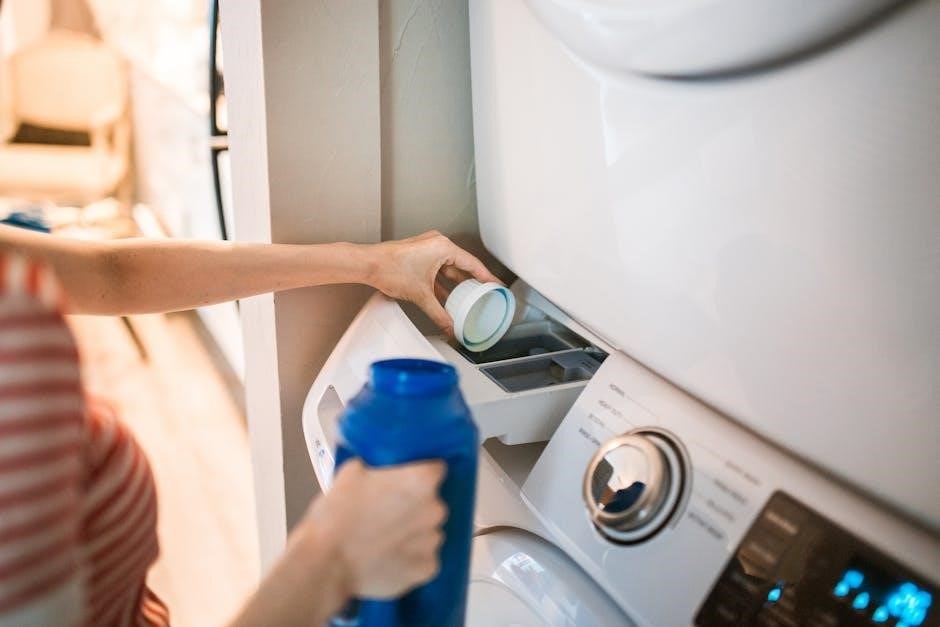
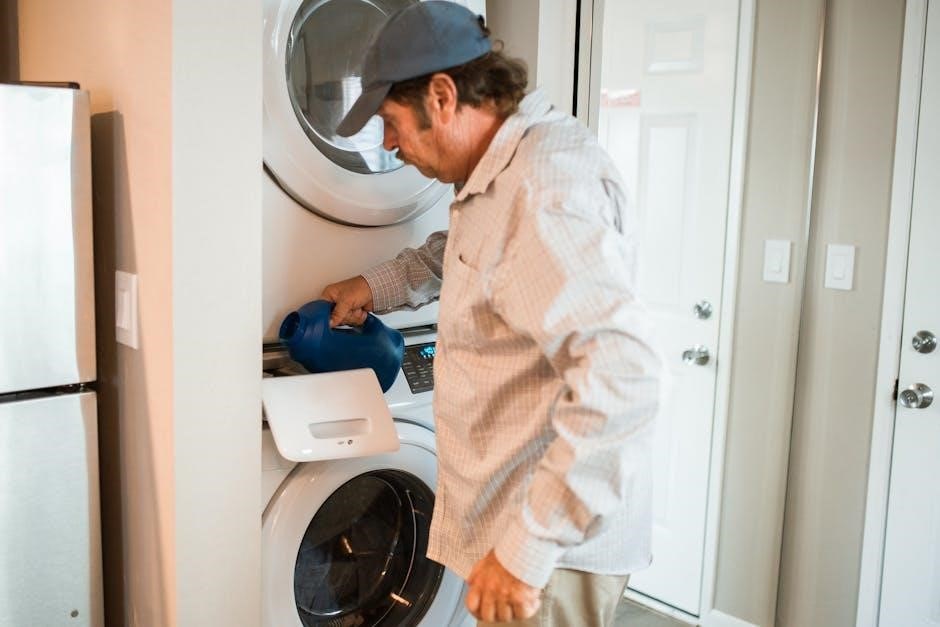
Proper detergent usage is vital for effective cleaning and preventing residue․ The Bosch 300 washer features a multi-compartment dispenser․ Compartment I is for pre-wash detergent, used for heavily soiled loads – add detergent only when using a pre-wash cycle․ Compartment II is for main wash detergent; use liquid or powder detergent here, following dosage guidelines on the detergent packaging․
Compartment III is designated for fabric softener or bleach․ Never pour detergent directly into the drum․ Always use the dispenser to ensure proper dilution and timing․ Avoid overfilling compartments, as this can cause dispensing issues․
Liquid bleach should be diluted with water before adding to the dispenser․ Regularly check the dispenser for clogs or residue and clean as needed․ Using the correct amount of detergent and utilizing the dispenser correctly will optimize your wash results and protect your machine․
Maintenance and Cleaning
Regular cleaning extends your washer’s life and maintains optimal performance․ This section details interior, filter, and exterior cleaning procedures for your Bosch 300․
Cleaning the Washer Interior
To maintain a fresh and hygienic washing machine, regularly clean the interior drum․ Bosch recommends running a cleaning cycle with a washer cleaner, approximately once a month, or more frequently with heavy use․ Ensure the drum is empty before initiating the cycle․
Alternatively, you can use white vinegar as a natural cleaning agent․ Pour two cups of white vinegar into the detergent dispenser and run a hot water cycle․ This helps to dissolve detergent residue, mineral buildup, and eliminate odors․
After each wash, leave the door slightly ajar to allow the interior to air dry, preventing mold and mildew growth․ Wipe down the rubber door seal with a damp cloth to remove any lingering moisture or debris․ Inspect the seal regularly for damage or buildup․
Avoid using abrasive cleaners or scouring pads, as these can damage the drum’s surface․ A soft cloth and mild detergent are sufficient for routine cleaning․
Filter Cleaning Procedures
Regularly cleaning the washer’s filter is crucial for optimal performance and preventing drainage issues․ The filter is typically located at the front bottom of the appliance, behind a small access panel․ Before starting, ensure the washer is turned off and unplugged for safety․
Place a shallow container and towels beneath the access panel to catch any residual water․ Carefully open the panel and unscrew the filter cap – be prepared for water to flow out․ Remove the filter and clean it thoroughly under running water, removing lint, hair, coins, or other debris․
Inspect the filter housing for any obstructions and clean it as needed․ Reinstall the filter securely, ensuring the cap is tightly closed to prevent leaks․ Close the access panel․ Bosch recommends cleaning the filter every 3-6 months, or more often if you notice slow draining․
Failure to clean the filter can lead to reduced washing performance and potential damage to the pump․
Exterior Cleaning Guidelines
Maintaining a clean exterior not only enhances the appearance of your Bosch 300 washer but also contributes to its longevity․ Always disconnect the power supply before cleaning any part of the appliance․ Use a mild detergent solution and a soft, damp cloth to wipe down the cabinet, control panel, and door․
Avoid abrasive cleaners, scouring pads, or harsh chemicals, as these can damage the finish․ For stubborn stains, a slightly stronger detergent solution may be used, but test it on an inconspicuous area first․ Pay particular attention to areas around the detergent dispenser and control buttons, where residue may accumulate․
Rinse the cloth frequently in clean water and wipe the surfaces dry with a separate, clean cloth․ Do not spray water directly onto the washer, and avoid getting water into any openings․ Regularly cleaning the exterior helps prevent corrosion and maintains a fresh, hygienic appearance․
Polish with a microfiber cloth for a streak-free shine․